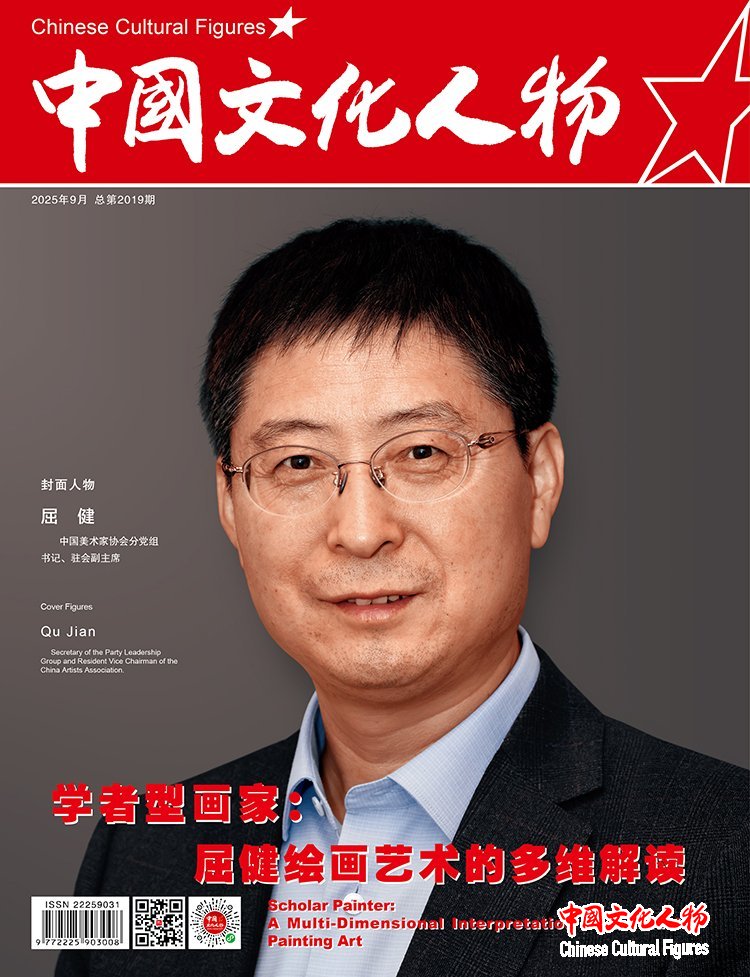
屈健,中国美术家协会分党组书记、驻会副主席
Cover Figures:Qu Jian Secretary of the Party Leadership Group and Resident Vice Chairman of the China Artists Association.
中国文化人物主编 王保胜/摄影报道
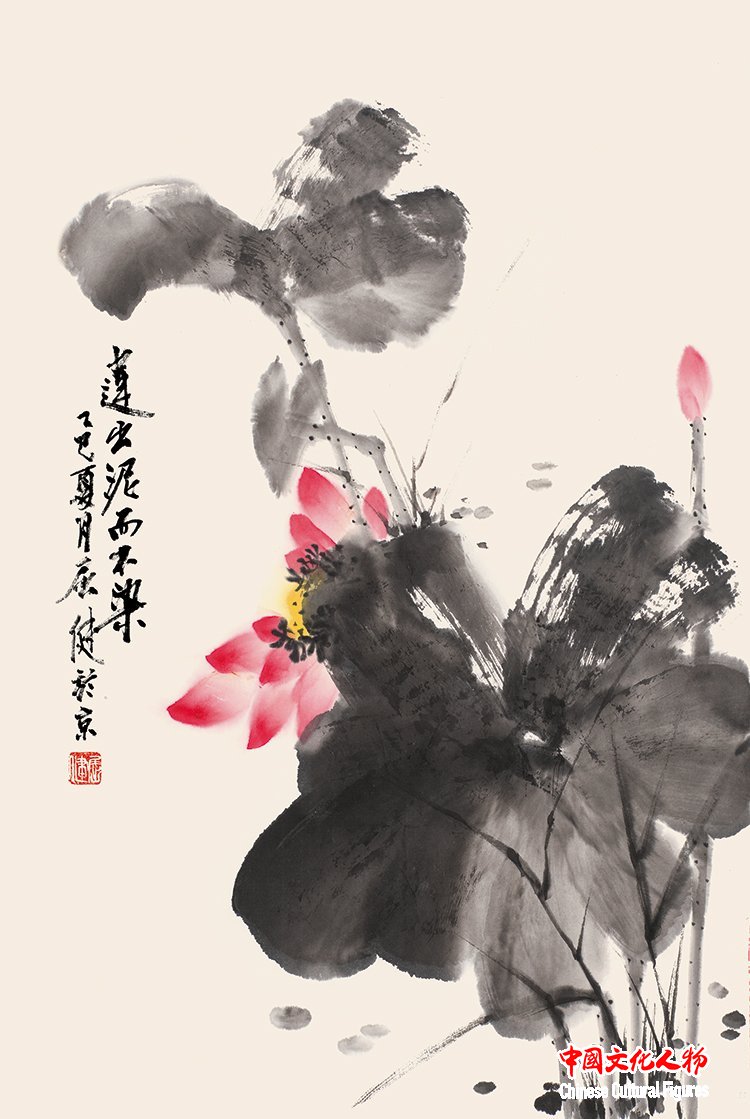
莲出泥而不染 69×47cm 2025 屈健作品
“The Lotus Emerges Unstained from the Mud” (69×47cm) by Qu Jian in 2025
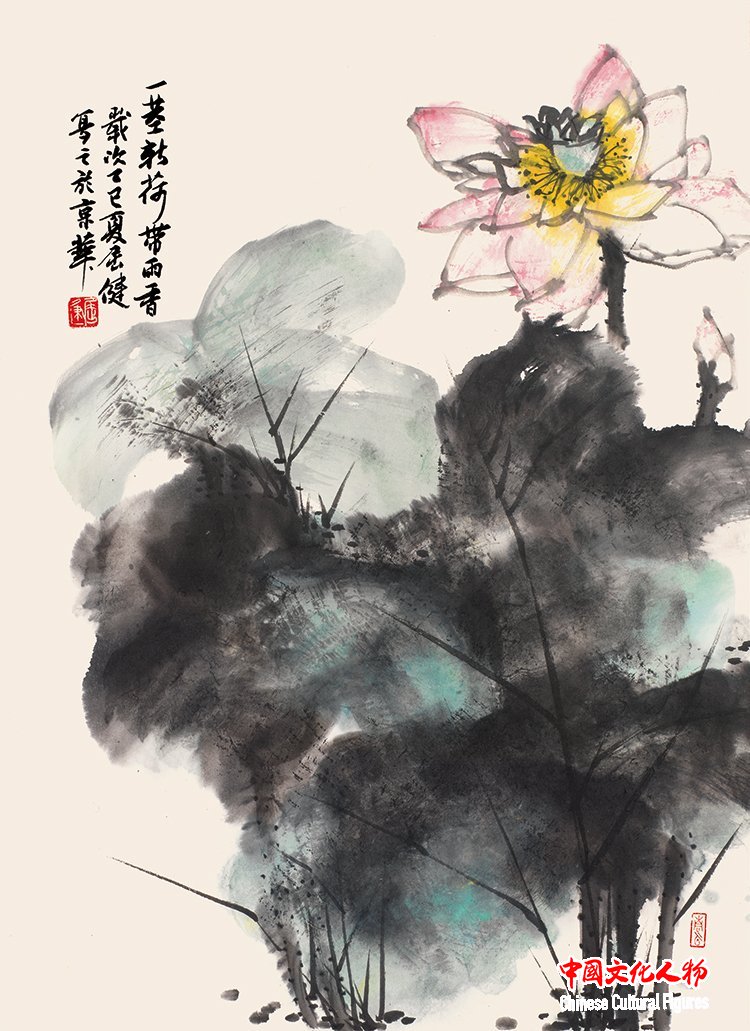
一茎新荷带雨香 69×47cm 2025 屈健作品
“A Single Fresh Lotus Stalk Carries the Fragrance after Rain” (69×47cm) by Qu Jian in 2025
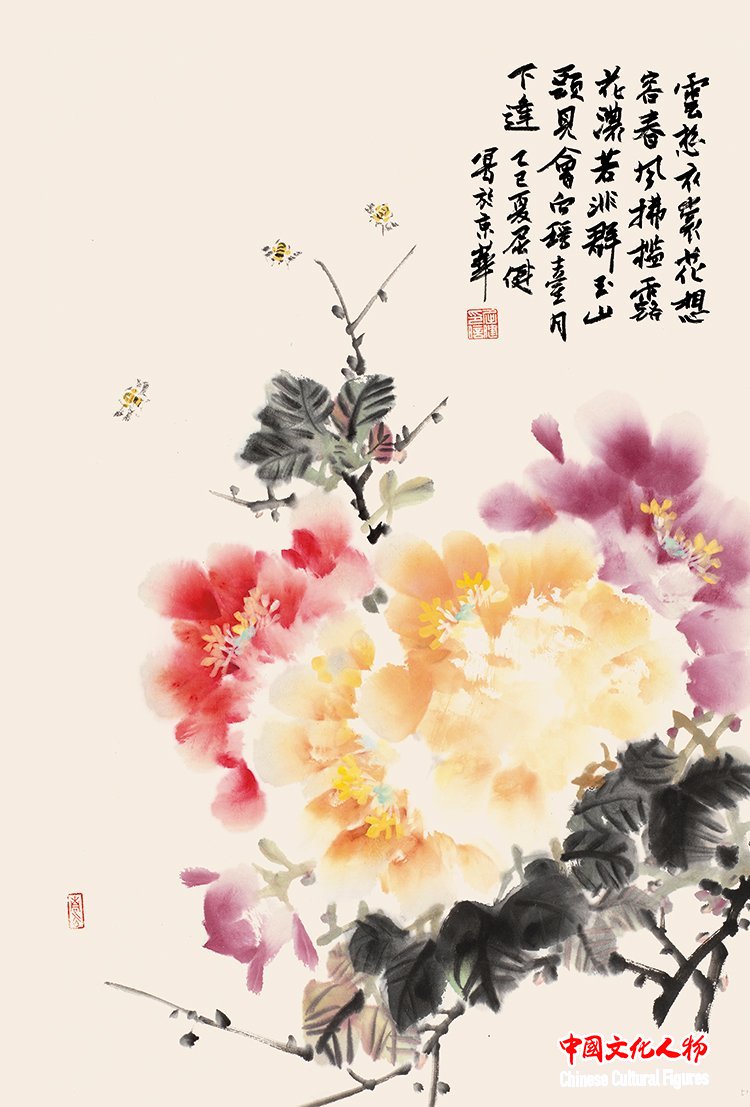
花王 69×47cm 2025 屈健作品
“The King of Flowers” (69×47cm) by Qu Jian in 2025
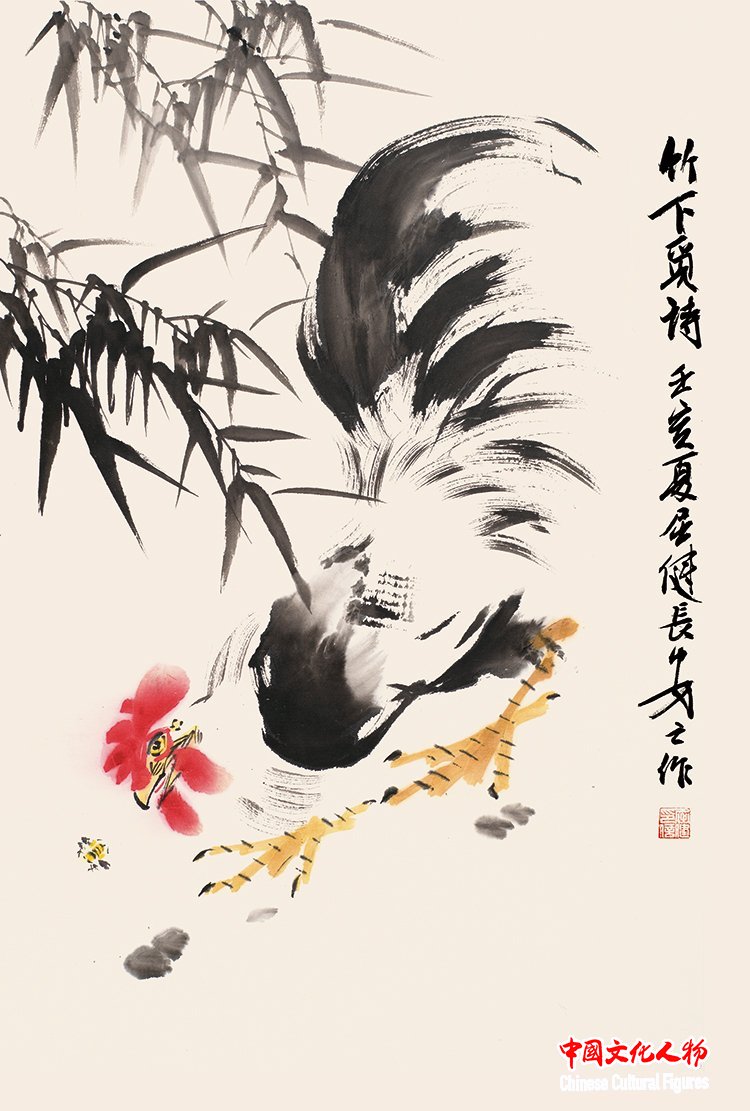
竹下觅诗 69×47cm 2025 屈健作品
“Seeking Poetry Beneath the Bamboo” (69×47cm) by Qu Jian in 2025
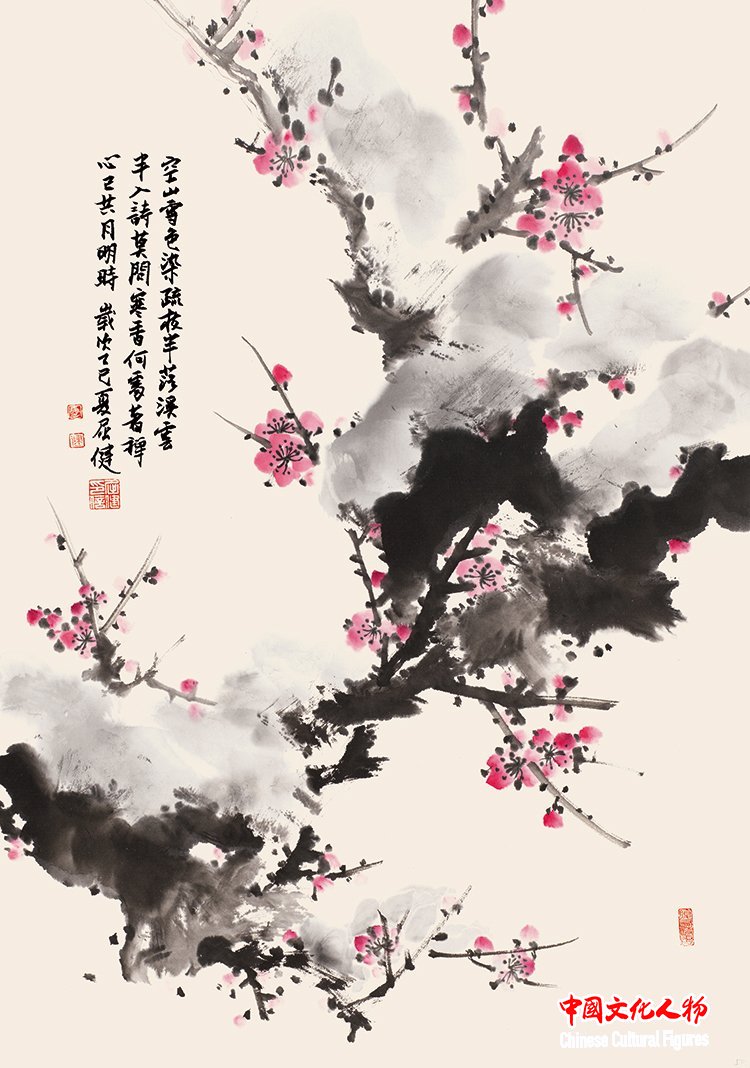
初雪 69×47cm 2025 屈健作品
“First Snow” (69×47cm) by Qu Jian in 2025
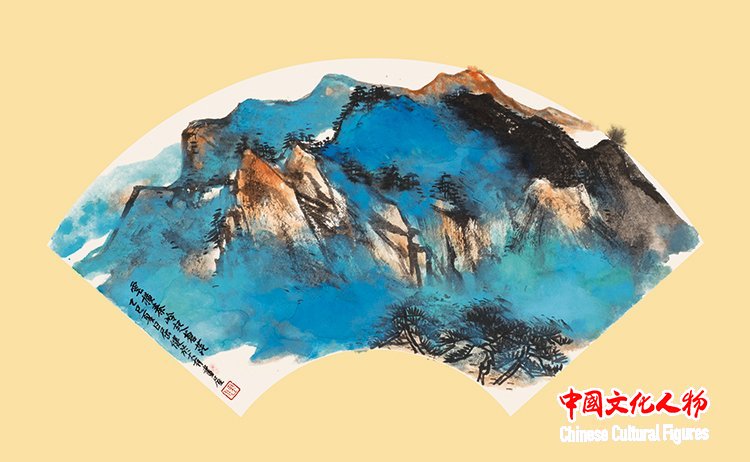
云横秦岭起苍茫 44X24cm 2025 屈健作品
“Clouds Stretch across the Qinling Mountains, Rising into a Vast, Boundless Expanse” (44×24cm) by Qu Jian in 2025
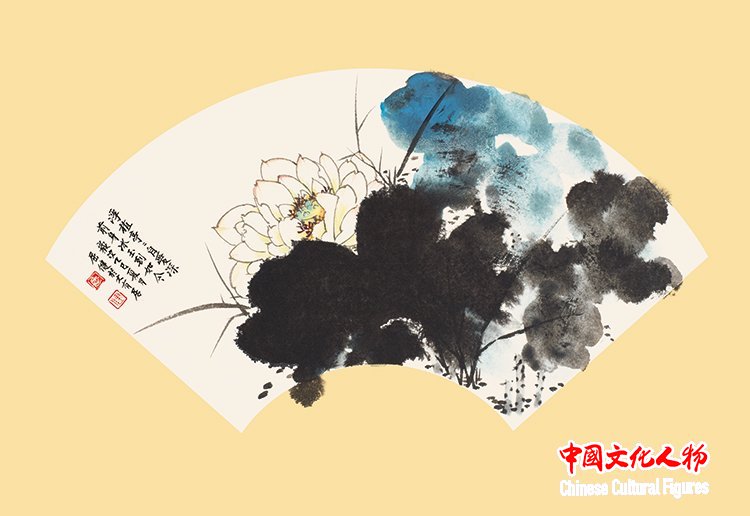
白莲 44X24cm 2025 屈健作品
“White Lotus” (44×24cm) by Qu Jian in 2025
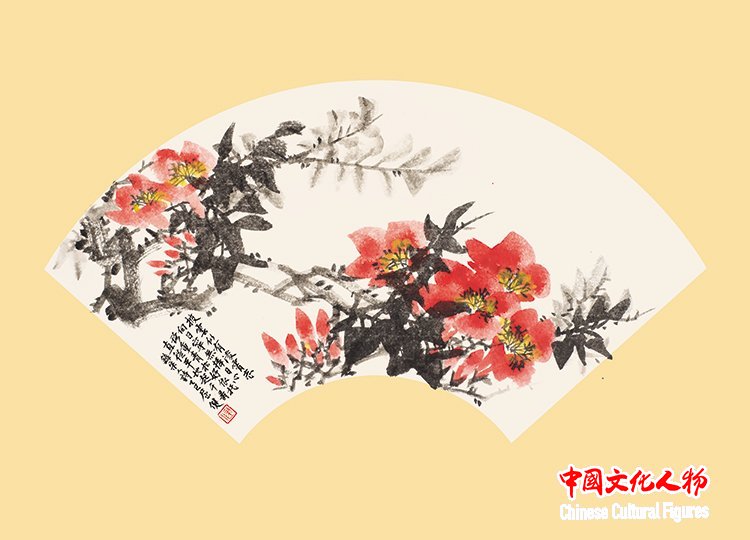
披云似有凌霄志 44X24cm 2025 屈健作品
“Clad in Clouds, It Seems to Hold the Aspiration to Reach the Heavens” (44×24cm) by Qu Jian in 2025
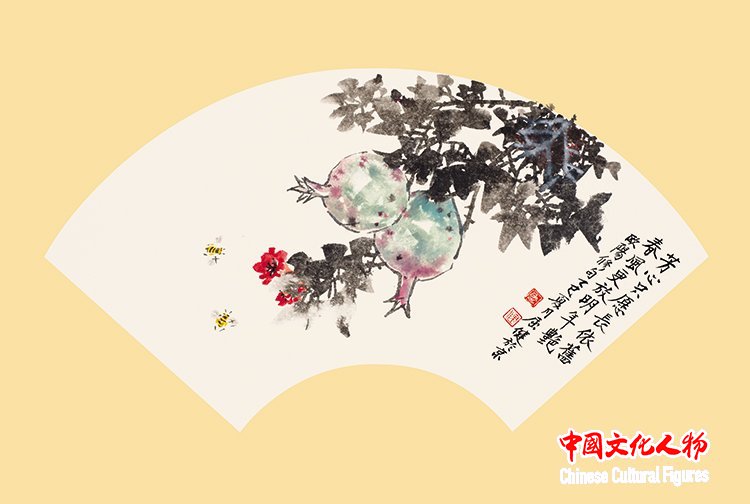
石榴 44×24cm 2025 屈健作品
“Pomegranate” (44×24cm) by Qu Jian in 2025
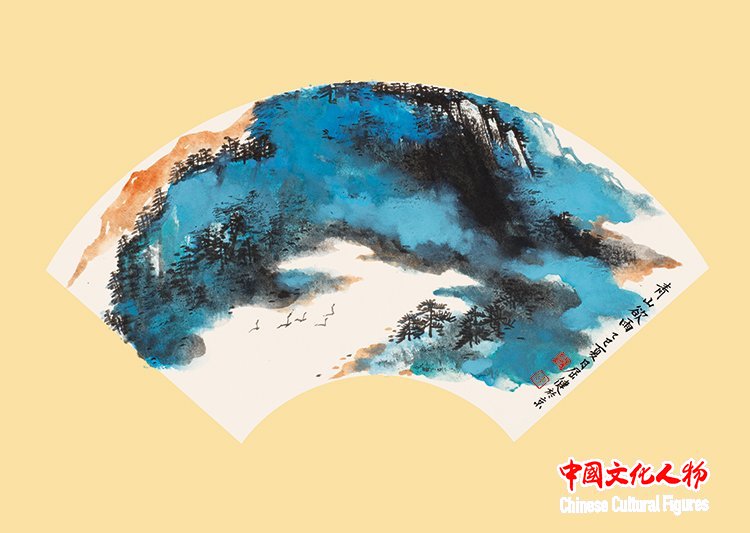
青山欲雨 44×24cm 2025 屈健作品
“The Green Mountains Are about to Rain” (44×24cm) by Qu Jian in 2025
中国文化人物(主编 王保胜)与大多数从事艺术理论研究和艺术创作研究的年轻学者或画家不同的是,屈健在艺术上的修养比较全面。因为他既具有美术学院中国画专业扎实的创作实践背景,在中国画创作上已经取得了不俗的成绩。同时他又具备良好的艺术史与艺术理论研究的能力,因此,我们从他的理论研究中看不到从书本到书本的生搬硬套,而是能够感知到他从艺术理论与创作实践的应用中发现的新的视觉、提出的新的见解。从他的艺术创作中看不到时下流行的浮躁与盲从,在面对纷杂的现实而显得从容、镇静,他决心要徜徉在传统与现代之间,构架起一座桥梁,坚守住一份理想,这也正是他理论研究与创作的特色。从这个意义上讲,用“学者型画家”来概括屈健是再恰当不过的了。
庄子曰:“水之积也不厚,则其负大舟也无力。”当代艺术创作与艺术理论的研究既要面对日益开放的世界、要有追索中国传统艺术精神的自信,也要有对中国现代艺术发展的自省、对普遍情感和个性关系的把握,这需要很好的悟性。屈健已完全具备了这样的素质,就让我们拭目以待吧!
周积寅(著名美术史家、南京艺术学院教授、博士生导师)
屈健擅长于工笔花鸟,他的作品令人观之有如烟如梦,如醉如茗的感受,恍惚间就让我们沉迷于他所营造的幻境中。他高超的工笔花卉造境之能,运之于写意花鸟画,同样产生了与之相类的味道:细腻、敏锐、隽永、澄明。娟雅而富有骨力的勾勒、妍媚面舒淡的着色、恣肆而严谨的造型处理,让我们似乎看到了一个生动活泼的绚烂世界,更看到了古人“画如其人”古训的当代版本。澄怀味象,这是我最喜欢使用的一句古话,屈健的花卉草虫创作,同样能够让我们心境澄彻、了然舒朗。
贺万里(扬州大学艺术学院教授)
艺品是人品之自然流露,艺格是人格之感性呈现,“抱一守中,和而不同”便是屈健先生谦逊人格在绘画中所开的艺术之花。花有百面却不失其真,姿有千态而不失其趣,动有其境而不失其节,静有其心而不失其机。正所谓“万物静观皆自得”,屈健先生正是保持着这股“赤子之心”,于虚静中悟得生命的正道,获得前行的力量,随缘自化,出入有时,守正存精,恬淡纯朴。
孟姝芳(山西大学美术学院副教授)
屈健的作品既有在西方现代艺术思潮影响下,对中国画的创新与前途出路展开思考而探索的创新图式;也有近几年来承袭中华传统文化精神,展现民族文化自信与中和雅正、静怡从容的雅正之气之绘画实践,更有弘扬汉唐文化雄浑博大的豪迈之气之艺术表现。这些曲折的探索与不断的尝试创新化为一幅幅作品。通过对这些作品可以探得其笔下丰富多彩的内心世界。在他的绘画世界里,荷塘是清澈的,鸟儿是温情的,荷花是多姿的,野草是多姿的,色彩是祥和的……在这样的画境前,观者是不忍大声说话的,只有静静的欣赏陶醉在这样情景之中,深情地体会画者所建构的花鸟世界中的世外桃源,在这样的世界中观者的内心也是平静的、自足的。
杨锋(西北大学艺术学院副教授)
屈健的画,是在宋人工笔和文人意趣之间穿梭往来,在亦此亦彼、非此非彼中挖掘出一块属于自己的天地。这使我想到了“新文人画”。这种陶醉于文化人茶余饭后悠然萧散、婉约抒情的绘画样式,恰当地反映了新都市文人细腻敏感的情感世界和回归古典的怀旧情结。屈健工笔花鸟画中的思想内蕴与此不无关系。从本质上讲,屈健是一位文人化的画家,在他的内心世界又不乏洒脱与放达的润泽。虽然其作品的外在形式仍具有宋画的严谨,但他对画面气氛的营造,却打乱了“自然外形”与“花鸟程式”的正常秩序和结构,在适度的整合中试图赋予工笔花鸟画一崭新的视觉和精神内涵,使传统的形式语言得到重新阐释和扬弃,与宋画拉开了距离。
杨斌(中国工艺美术馆副馆长、研究员)
中国画是提倡表现的艺术,是流淌心灵感悟的形式中介。屈健侧重于从文人画中去研究传统意义的继承和对自然生活的阐述,故在临池时意气风发,勾线泼墨干净利落,构图疏密有致,用笔虚实相生,创作出一幅又一幅或春草昆虫、或秋树珍禽、或佳果异花的佳作,体现了传统绘画中习见的水晕墨章,在鲜明的形式感中传达了令人叫绝的笔意墨趣。这使他的作品巧妙地从大自然中提炼并升华出一种力与美的诗情画意,以高尚的审美情怀和自己的语言方式,把传统文人画的意境巧妙地显现出来,体现了画家对美的高度重视,对大自然的高度关注,以及对于生活的高度热爱。
蔡显良(何香凝美术馆馆长、教授、博士生导师)
屈健作品中的诗意情节最显著的是以雅的面貌呈现的。这种关联性情的美之特质是中国传统美学所自觉追求,是中国传统民族性本真流露的心灵归宿。屈健作品根于固有的民族性,在这种雅之情怀和淡之心境中又隐含着些微古意,而这种画面古意的典雅和屈健精神深处的谵然却往往以新的物象组合呈现而出。因此,这诗意化的古雅和古淡,就成为屈健作品流美品格的最终落实。
赵权利(中国艺术研究院研究员、博士生导师)
屈健的写意花鸟画明润清透,营造墨色交融、润泽清新的画面意韵。他善以极细劲的线条勾树石轮廓,再辅以墨色晕染,深浅枯润不一,极富变化。枝干、山石的轮廓挺劲,富有质感,与润墨似分实合,极妙地诠释了花鸟画中笔墨兼得的特点。他在笔墨方面功力非凡,将笔、墨、色融于一体,体现出超越笔墨的驾驭才能。
屈健的工笔画不但展现了其写生刻画的功夫,更是融入作者平淡超逸之心境,营造出宁静悠远、空寂无人的花鸟禅境。清远静逸之气从有限的画面空间弥漫开来,涤尽尘间烦恼。
张曼华(南京艺术学院教授)
屈 健
1970年生于陕西洛川,先后毕业于西安美术学院、南京艺术学院,获文学博士学位。
中国美术家协会分党组书记、驻会副主席,二级教授、博士生导师。历任延安革命纪念馆美术干部,西北大学艺术学院副院长、院长、公共艺术教育中心主任(兼),中国文艺评论家协会理事,中国美术家协会理事,陕西省美术家协会副主席,西安美术学院党委委员、副院长、史论系主任(兼),中国文联首批特约研究员。
在艺术创作领域,兼及花鸟山水,风格清新自然;学术研究聚焦新中国美术研究、长安画派研究等领域,发表论文70余篇,画作数百幅,出版著作10余部,主持国家社科、国家艺术基金等课题十余项,获20余次国家级、省部级奖励。组织策划数十次大型展览与学术论坛。
Chinese Cultural Figures (Chief Editor: Wang Baosheng) Unlike most young scholars or painters who engage in art theory research and artistic creation studies, Qu Jian has received comprehensive artistic training. He has a solid background in Chinese painting from an art academy and has achieved notable success in creating traditional Chinese paintings. He also has strong capabilities in art history and theoretical research. His theoretical studies avoid mechanical repetition of textbook content, instead revealing fresh visual perspectives and innovative insights derived from applying artistic theories to creative practice. His artistic creations show no trace of restlessness or blind conformity to current trends, maintaining composure and calmness amidst complex realities. Determined to bridge tradition and modernity while upholding ideals, Qu Jian maintains this dual focus in both his theoretical research and creative practice. In this sense, the term “scholar-artist” encapsulates Qu Jian’s identity perfectly.
Zhuangzi said, “If the water accumulates insufficiently, it cannot support a large boat.” Contemporary art creation and art theory research must confront an increasingly open world with confidence while tracing the traditional artistic spirit of China. They must also engage in self-reflection on the development of modern Chinese art and grasp the relationship between universal emotions and individuality. This requires profound insight. Qu Jian possesses these qualities fully. Let us wait and see!
Zhou Jiuyin (famous art historian, professor, and doctoral supervisor of Nanjing University of the Arts)
Qu Jian is a master of meticulous bird-and-flower painting. His works create an ethereal atmosphere, reminiscent of misty dreams and tea-infused reverie. These mesmerizing scenes draw viewers effortlessly into his crafted illusions. His mastery of precise floral compositions in freehand bird-and-flower paintings produces equally refined aesthetics: delicate sensitivity, timeless elegance, and crystalline clarity. His graceful yet robust brushwork, delicate yet vibrant coloring, and bold yet disciplined modeling conjure a vividly colorful world. This approach also embodies the ancient wisdom that “a painter’s art mirrors their character.” My favorite classical phrase, “purifying the mind to savor imagery,” is perfectly expressed in Qu Jian’s floral and insect paintings. These works similarly purify our minds, bringing clarity and serenity to our hearts.
He Wanli (Professor, School of Art, Yangzhou University)
Artistic excellence manifests as the natural expression of character, while artistic integrity reflects a sensual embodiment of personality. Qu Jian’s humble demeanor in painting embodies the philosophy “Upholding unity and maintaining harmony without uniformity.” Flowers display myriad facets yet retain their essence. Postures vary endlessly yet maintain charm. Movements create realms while preserving rhythm. Stillness embodies the mind while retaining vitality. As the ancient wisdom states, “All things find their own harmony when observed in tranquility.” Maintaining this “childlike innocence,” Qu Jian has discerned life’s true path through serenity, drawing strength from the flow of existence. By embracing natural rhythms and preserving integrity, he navigates through time with serene simplicity.
Meng Shufang (Associate Professor, School of Fine Arts, Shanxi University)
Qu Jian’s artistic creations showcase three distinct dimensions. First, he takes innovative approaches to Chinese painting, drawing inspiration from Western modern art movements. Second, his recent works embody traditional cultural values with refined elegance and serene composure. Finally, he boldly expresses the cultural grandeur of the Han-Tang dynasties. These multifaceted explorations are manifested through vivid, layered compositions that reveal his rich inner world. In his artistic realm, lotus ponds shimmer with crystalline clarity, birds dance with tender grace, lotus blossoms sway in graceful harmony, wild grasses thrive with vibrant vitality, and colors blend into harmonious serenity... Confronted with such poetic landscapes, viewers find themselves compelled to remain silent and immerse themselves in the artist’s idyllic floral paradise. Within this tranquil sanctuary, their hearts attain profound serenity and self-sufficiency.
Yang Feng (Associate Professor, School of Art, Northwest University)
Qu Jian’s paintings bridge the gap between the meticulous brushwork of the Song dynasty and the artistic sensibilities of the literati, carving out his own unique realm in the process. His work evokes the “New Literati Painting” style, which celebrates the leisurely elegance and lyrical subtlety of cultured scholars’ tea-drinking moments. This style vividly reflects the delicate emotional world and nostalgic connection to classical traditions of modern urban literati. The intellectual depth of Qu Jian’s meticulous flower-and-bird paintings resonates with this aesthetic. At his core, Qu Jian is a literati-inspired artist whose inner world remains imbued with unrestrained freedom. While his works retain the rigorous formal discipline of Song paintings, he disrupts the conventional hierarchies between “natural forms” and “standardized floral motifs” in his compositions. Through deliberate integration, Qu Jian breathes new life into traditional meticulous painting. He reinterprets and innovates its visual language to forge a distinct artistic identity that diverges from Song dynasty conventions.
Yang Bin (Deputy Director and Researcher of China Art Museum)
Chinese painting is an art form that emphasizes self-expression and serves as a medium for spiritual enlightenment. Qu Jian focuses on studying the inheritance of traditional values and the interpretation of natural life through literati painting. In his calligraphy, he exhibits a vigorous spirit through clean and decisive brushwork, compositions balancing density and openness, and brushstrokes harmonizing reality and abstraction. Whether depicting spring grasses and insects, autumn trees and rare birds, or exquisite fruits and exotic flowers, his creations exhibit the traditional ink-wash technique known as “water-ink resonance.” These vivid forms convey breathtaking brushwork and ink charm, allowing his works to ingeniously distill and elevate the essence of nature into poetic expressions of power and beauty. Through his noble aesthetic sensibilities and his unique artistic language, Qu Jian skillfully reveals the artistic conception of traditional literati painting, and his works reflect his profound reverence for beauty, deep concern for nature, and heartfelt devotion to life.
Cai Xianliang (Professor and Doctoral Supervisor, Director of He Xiangning Art Museum)
The poetic narrative in Qu Jian’s works is most strikingly evident in his elegant demeanor. This aesthetic quality of emotional resonance has been consciously pursued in traditional Chinese aesthetics and serves as a spiritual homeland where the authentic essence of China’s traditional national character is expressed. Qu Jian’s works, rooted in inherent national identity, conceal subtle antiquity within their refined sentiments and serene mental states. The elegance of this ancient imagery and the profound melancholy of Qu Jian’s spiritual depths are often expressed through novel combinations of objects. Thus, this poetic antiquity and serene simplicity ultimately embody the flowing aesthetic character of Qu Jian’s works.
Zhao Quanli (Researcher and Doctoral Supervisor, Chinese Academy of Art)
Qu Jian’s freehand flower-and-bird paintings radiate luminous clarity. His ink-splashed compositions exude fresh vitality. His masterful technique involves meticulously refining the lines that define the contours of rocks and trees, which are enhanced by layered ink washes that create dynamic gradations of dryness and moisture. The branches and rocks possess a strikingly textured solidity, their outlines blend fluidity and solidity, masterfully embodying the harmonious interplay of brushwork and ink in traditional Chinese art. Demonstrating extraordinary mastery, Qu seamlessly integrates brush, ink, and color into a unified expression, revealing an artistic vision that transcends the conventional constraints of traditional techniques.
Qu Jian’s meticulous paintings show his skill in sketching and carving. They also reflect the artist’s plain and transcendent mindset, creating a quiet, distant, empty and uninhabited Zen realm of flowers and birds. The clear and serene atmosphere transcends the limited space of the picture, cleansing the troubles of the world.
Zhang Manhua (Professor, Nanjing University of the Arts)
Qu Jian
He was born in Luochuan, Shaanxi Province in 1970, and graduated from Xi’an Academy of Fine Arts and Nanjing University of the Arts successively, earning a Doctor of Literature degree.
He is Secretary of the Party Leadership Group and Resident Vice Chairman of the China Artists Association, Second-level Professor, and Doctoral Supervisor. He has successively served as an art cadre at the Yan’an Revolutionary Memorial Hall, Vice Dean and Dean of the School of Art of Northwest University, Director of the Public Art Education Center (concurrently), Director of the China Literature and Art Critics Association, Director of the China Artists Association, Vice Chairman of the Shaanxi Artists Association, Member of the Party Committee, Vice President and Director of the Department of Art History and Theory (concurrently) of Xi’an Academy of Fine Arts, and one of the first contracted researchers of the China Federation of Literary and Art Circles (CFLAC).
In the field of artistic creation, he specializes in flower-and-bird and landscape painting, employing a fresh and natural style. His academic research focuses on the study of New China’s art and the Chang’an School of Painting. He has published over 70 papers, created hundreds of paintings, and authored more than 10 books. He has also led over ten research projects, including National Social Science Fund and National Art Fund projects, and received over 20 national and provincial/ministerial-level awards. Additionally, he has organized and curated dozens of large-scale exhibitions and academic forums.
 文化大家
文化大家









 京公网安备11010802046836号