——八旬收藏家李保生传承中华传统文化侧记
——Album about collector Li Baosheng-inheriting traditional Chinese culture
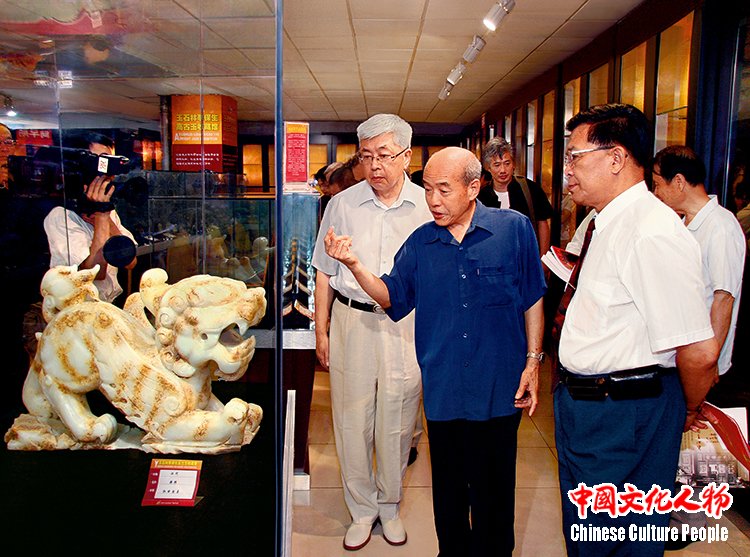
2008年8月1日,收藏家李保生与国家文物局原局长张文彬(左一)亲切交流
On August 1, 2008, Collector Li Baosheng of communicating with Zhang Wenbin ( Left a ) , former director of National Heritage Board.
中国文化人物主编 王保胜/摄影报道
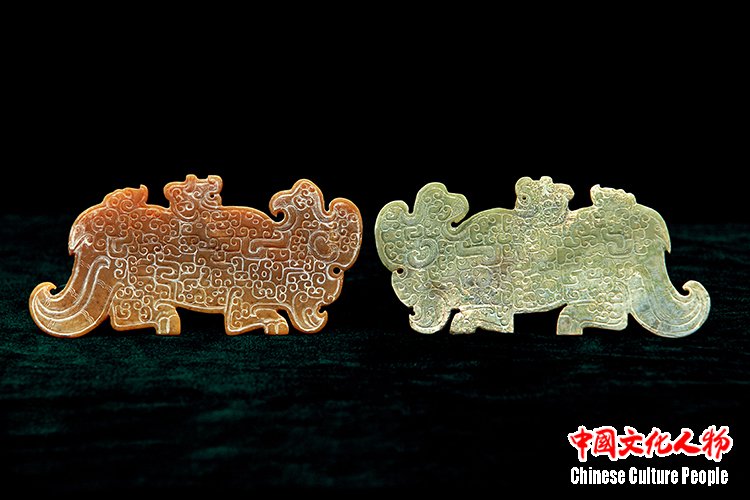
琥形佩 Jade pendent
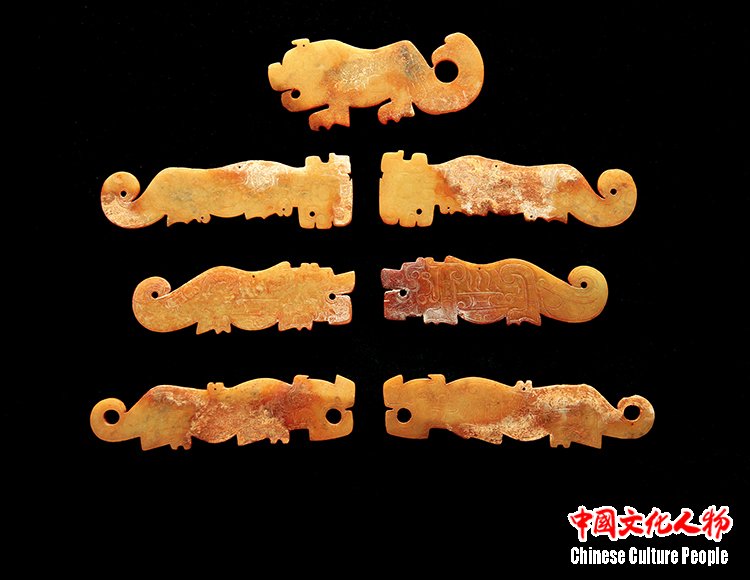
黄玉虎 Yellow jadeA tiger
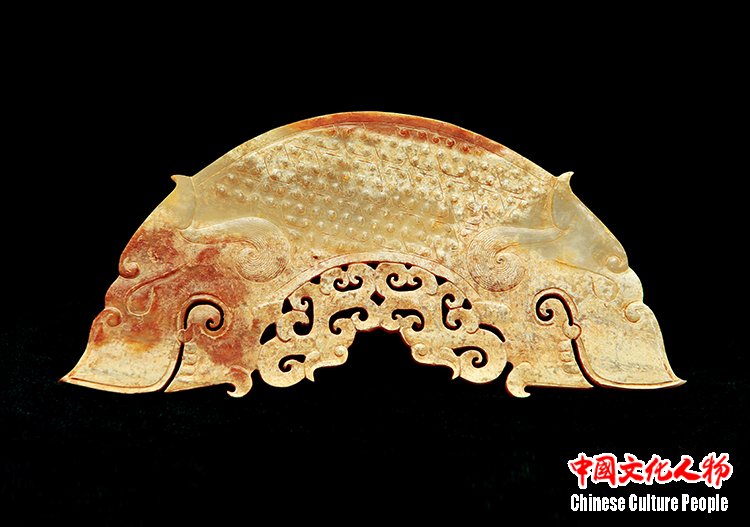
白玉璜 White Jade Arch
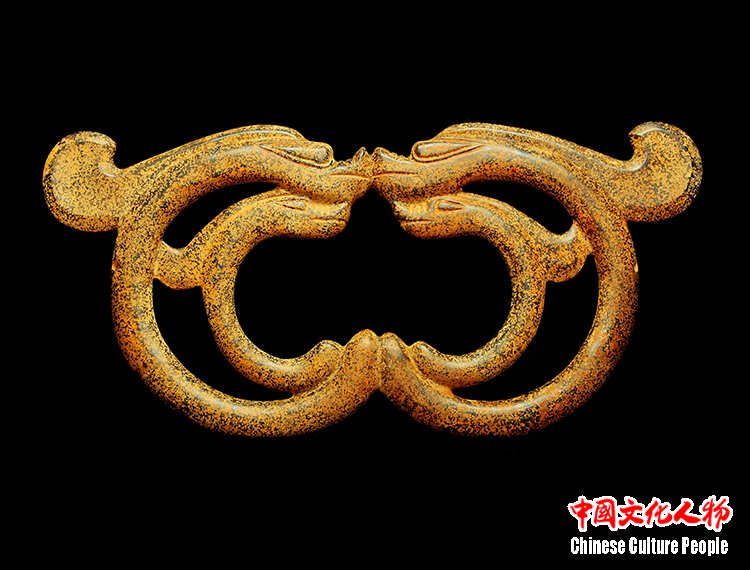
玉龙 Jade dragon
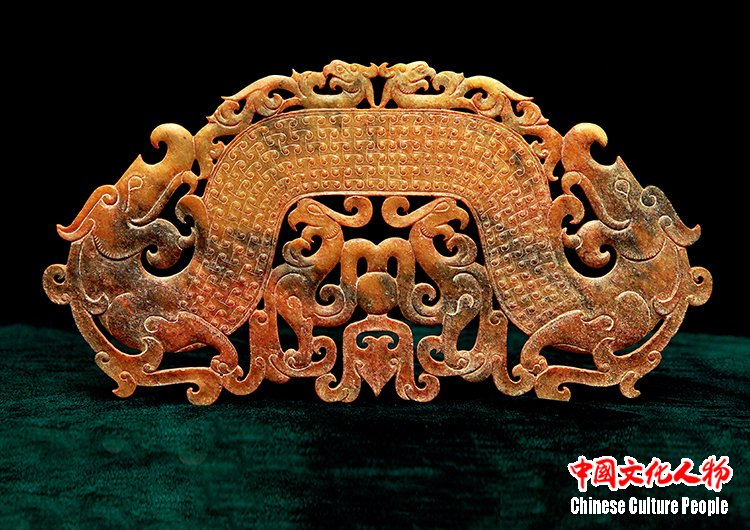
龙凤珮 Jade pendent with dragon and phoenix
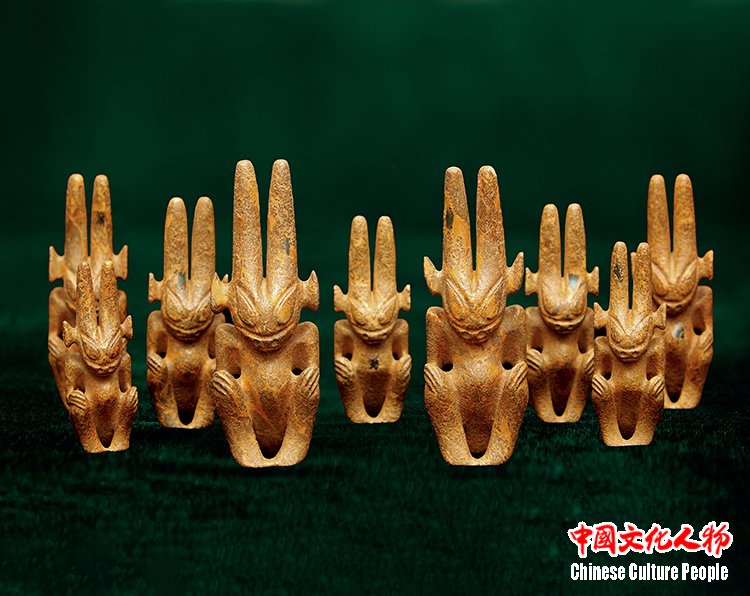
太阳神组合九件 9 Jade wares with solar deity
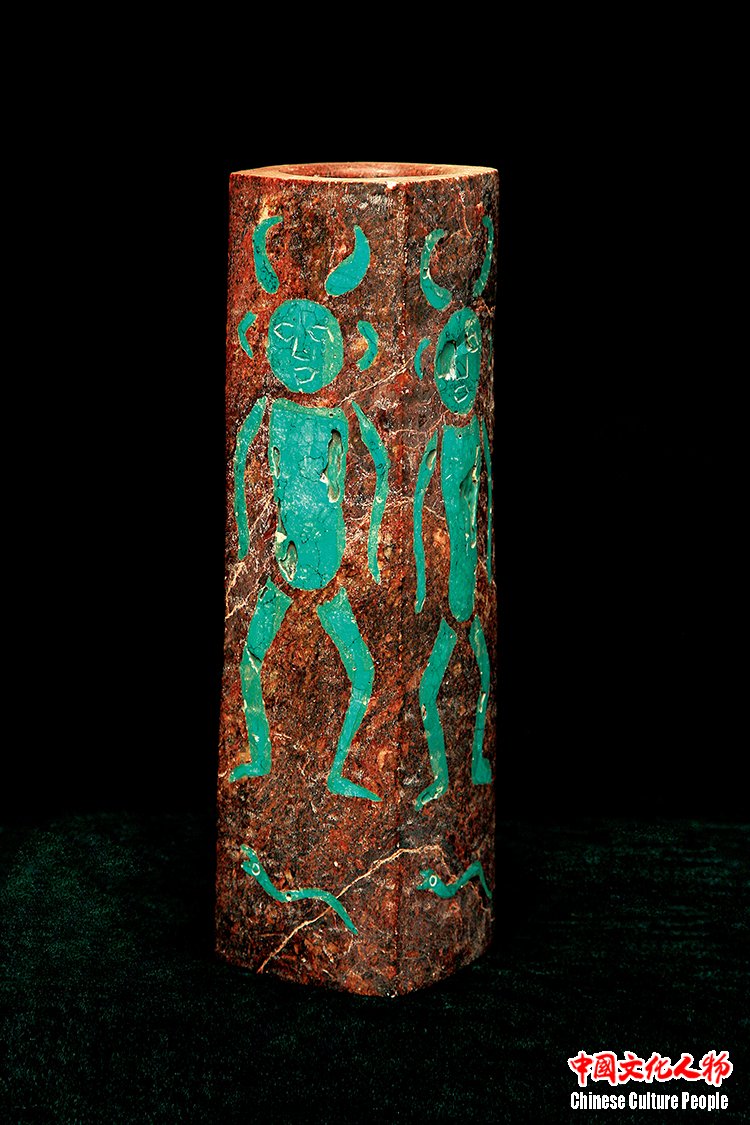
玉琮 Jade Cong
中国文化人物(主编 王保胜)博大精深的中华传统文化,对人类文明曾作出过巨大的历史性贡献。随着经济的快速发展,文化已越来越受到世界各国的高度重视。实现中华民族的伟大复兴,需要传承民族精神、弘扬中华文化,向世界展示中华文明,向世界传播中华文化,让世界了解中华文明的悠久历史和永恒魅力。
The splendid and profound traditional Chinese culture ever made enormous historic contribution to the human civilization. With the rapid development of economy, culture is deserving more and more attention from countries all around the world. To achieve the great rejuvenation of the Chinese nation, we must inherit our national spirit, carry forward Chinese culture, display and spread Chinese civilization throughout the earth, enable the whole world to understand the long history and everlasting charm of Chinese civilization.
中华传统文化不仅仅是儒家文化,而是以儒家文化为主导、为核心的博大精深的文化。在当代社会要进一步地传承并发扬光大,首先应该对中华的传统文化深入地研究,需要换一种角度、换一种目光来重新审视中华传统文化的价值,以及它在当今社会,在全人类的范畴是否依然具有生命力,依然具有不可取代的价值。只有把这些问题研究清楚了,我们再去传承和弘扬才会有自信,才会有底气。
The traditional Chinese culture is not just the Confucian culture, it is a profound culture with the Confucian culture as its orientation and core. To further inherit and carry forward the traditional Chinese culture in the contemporary society, we need to first carry out an in-depth study against it, look at the value of traditional Chinese culture in a different perspective with different visions, judge whether it still has vitality and an irreplaceable value in today’s society and in the context of all the mankind. Only when these issues are addressed, could we be confident to inherit and carry forward it.
在古老而充满活力的中华文化元素中,玉可以说是中华文化的第一块奠基石。中国玉在全世界享有盛誉,世界上许多国家和民族一看到玉就会想到中国。玉从很早就成为中华民族的集体潜意识的内在性格的一个组成部分,玉器伴随中华民族走过了七千多年的历程。数千年来,人们对玉的崇敬和热爱一直未变,且绵延不断,传承至今。在悠久的历史岁月中,几经兴衰,再度繁荣时却更加辉煌,它之所以具有如此旺盛的生命力,离不开两个背景:一是玉器的天然魅力,一是传统文化的积淀。
In the Chinese cultural elements, which are both ancient and vibrant, jade is the first foundation stone in Chinese culture. Chinese jade enjoys a high reputation in the whole word, many countries and nations in the world will think of China once people see jade. From a very early history, jade has become an integral part of the inherent character of the collective unconscious awareness of the Chinese nation, jade accompanied the Chinese nation throughout a history of 7000 years. For thousands of years, respect and love of people for jade never changed. In such a long history, our nation experienced countless ups and downs, yet embraced more brilliance and prosperity when it renewed, the strong vitality of the Chinese nation relies on two backgrounds, one is the natural charm of jade, the other, traditional cultural heritage.
中国玉作为中华民族的先民从各种石头中筛选出来的“石之美者”,具有温润莹泽、缜密坚韧的美感。远古时代的先民认为玉是“山岳之精英”,能够与神灵相通,是联通此世界与彼世界的纽带和桥梁。
Jade is “beautiful stone” screened and picked by ancestors of the Chinese nation from various types of stones, its beauty is characterized by its mildness, warmness, deliberateness and toughness. In ancient times, people regarded jade as “elite of mountains”, it was connected with gods, it was a bridge and tie connecting different worlds.
古语说“玉不琢不成器”。一块好的玉石,经过能工巧匠的雕琢,会赋予其新的价值和文化魅力。中国玉器之所以具有无穷的魅力,能跨越时空,为不同文化、不同民族、不同时代的人们所接受、所喜爱,其重要的一个原因就是其中所蕴含的中国玉文化。
There is an old saying: “jade angel unawares device”. After careful cutting and polishing by craftsmen, jade will be given a new value and cultural charm. For Chinese jade, the Chinese culture contained in it is an important reason for it to show infinite charm, accepted and liked by people from different cultures, nations and times.
中国玉器随着时代的发展演变,逐渐形成了与之相关的思想、文化、制度,这一切物质的、精神的东西,就构成中国独特的玉文化,成为中华民族传统文化中一个重要的分支而光照全世界。
Chinese jade evolved with development of time and has gradually formed relevant thoughts, culture and system, all there physical and spiritual elements have constituted the unique Chinese jade culture, it is an important branch in traditional Chinese culture lighting the whole world.
在中国玉文化中发展形成的“玉德”精神,是中华优秀传统文化的基因之一,是中华民族的脊梁,是中华民族的灵魂,是维系中华民族繁衍生息不断强盛的精神家园,是中华文明五千年的瑰宝。“玉德”精神,既体现了中华文化的博大精深,又展示了中华民族的性格、秉承和价值理念。它的精髓集中体现在传统文化的经典中,经过千百年的锤炼,世代相传而广受赞誉,足以说明其深厚的价值意义和无可替代的作用。
The “jade ethics” developed and formed in Chinese jade culture is one of the most outstanding genes of the excellent Chinese traditional culture, it is the backbone and soul of the Chinese nation, the spiritual garden of the nation for its continuous development, the valuable treasure in the 5000-year Chinese civilization. “Jade ethics” not only embodies the profoundness of Chinese culture, but also reflects the character, obedience and value concepts of the Chinese nation. Its essence is collectively reflected in the traditional cultural classics, which are widely acclaimed throughout thousands of years by different generations, this is enough to show its profound significance and irreplaceable roles.
要继承和弘扬中华传统美德,必须坚持马克思主义哲学思想、坚持社会主义道德观,在去粗取精、去伪存真的基础上,坚持古为今用、推陈出新,实现中华传统美德的创造性转化、创新性发展,引导人民群众向往和追求讲道德、尊道德、守道德的生活风尚,让每一位公民都成为传播中华传统文化的主体。
To inherit and carry forward the traditional Chinese virtues, we must adhere to the Marxism philosophy and the socialist morality, based on recognition and discrimination, learn lessons from the tradition and carry out innovation, thus to realize the innovative transformation and creative development of Chinese virtues, guide people to live with a life style of pursuing, respecting and observing morality, enable each citizen to become the body of Chinese traditional culture.
发源于新石器时代早期而绵延至今的玉文化,是中华民族传统文化的重要组成部分,是中华民族文化的基石之一,也是区别于世界上其他文明起源的一个重要标志。
Jade culture originated from the early Neolithic and developed till today, it is an important part of traditional Chinese culture, one of the cornerstones of Chinese culture, it is also an important symbol different from other civilization origins.
中国人自古就有爱玉的基因,玉文化绵延至今持续不衰,玉以其绚丽的外观和温润的内质受到人们的重视和推崇,温润动人的美丽玉器承载着国人美好的精神信仰。
The Chinese people love jade since the ancient period, and the jade culture never faded. Jade is worshiped and highly praised for its gorgeous appearance and mild essence, the mild and tough jade carries the beautiful spiritual beliefs of Chinese.
李保生先生是一位年逾八旬的古玉收藏家,从事古代艺术品的收藏与整理50余年,不仅积累了丰富的经验,也积聚了丰厚的文化内涵。他热爱中华传统文化,尤其对玉器情有独钟,他收藏的古玉从红山文化到良渚文化,从春秋战国到两汉时期,累计收藏了近千件精美的玉器。为了追求自己的收藏梦想,他几十年如一日,不仅走遍了祖国的大江南北,而且远涉异域他乡,与世界各地的专家学者广泛交流探讨,为寻找精美的玉器不停地奔波,为揭示玉器中蕴涵的文化信息殚精竭力。他矢志不渝的精神,不仅感动了自己的家人,也令他身边的朋友们无不敬佩。李保生爱玉、收藏玉,更钟情源远流长的中国玉文化的传承与弘扬。
Mr. Li Baosheng is 80-year jade collector, he has engaged in collection and collation of ancient works of art for more than 50 years, thus he has both rich experience and profound cultural connotations. He loves traditional Chinese culture, especially jade. From Hongshan culture to Liangzhu culture, from the Warring States to the Han Dynasty, he has cumulatively collected nearly a thousand pieces of exquisite jade wares. To pursue his collection dream, he has visited the whole country in the last several decades, as well as some foreign countries, he extensively explored and communicated with specialists and experts throughout the world, thus to discover valuable jade wares. His persistence spirit, moved both his families and friends. Mr. Li Baosheng loves and collects jade, but he has more enthusiasm in inheriting and carrying forward Chinese jade culture.
中国玉文化经历了巫玉、王玉、民玉三大历史阶段。在长达六千余年之久的史前时期,玉都由巫占有,是用于事神的玉器。到了夏、商、周“三代”,中华先民不仅创造了富有特色的青铜文化和甲骨文明,而且中国玉文化也实现了由巫玉到王玉的历史性跨越发展。
Chinese jade culture experienced three historical phases, including wizard Jade, king jade and civil Jade. In the old prehistoric times with a history of 6000 years, all jade wares were occupied by wizards to sacrifice gods. When it came into the Xia, Shang and Zhou Dynasties, Chinese ancestors created the distinctive bronze culture and oracle civilization, meanwhile, Chinese jade culture also realized the historic leap from wizard jade to king jade.
夏、商、周“三代”已宣告与史前的神权社会告别,建立起了以天子为主宰的奴隶制封建社会。据《周礼·春秋·大宗伯》记 载:“以玉作六器,礼天地四方。以苍璧礼天,以黄琮礼地,以青圭礼东方,以赤璋礼南方,以白琥礼西方,以玄璜礼北方。” 玉璧、玉琮、玉圭、玉璋、玉琥、玉璜是为“六器”。在这里,王(统治阶级)制定“瑞玉”“以等邦国”,制“器”“以祀天地四方”,以玉体现王权第一、神权其次,神权服从王权的理念和规则,这种观念制度化地贯穿于其后的整个封建社会。至此,中国玉文化也随之完全步入礼器玉的时代。
The Xia Dynasty, Shang Dynasty and Zhou Dynasty all declared their farewell from the prehistoric theocratic society and established slavery and feudal society dominated by emperors. Based on ancient books, different vessels were made of jade for sacrifices, including round flat jade, jade canister, Jade Gui, Jade Hu and Jade Huang. Here, emperors created rating system and used jade to embody dominated power followed by theocracy. Thus theocracy is subject to the kingship, such a concept was institutionalized and passed through the whole feudal society. So far, Chinese jade culture completely entered the ritual jade wares era.
春秋战国时期,政治上诸侯争霸,学术上百家争鸣,文化艺术上百花齐放,玉雕艺术光辉灿烂。东周王室和各路诸侯,为了各自的利益,都把玉当作自己(君子)的化身。他们佩挂玉饰,以标榜自己是有“德”的仁人君子。“君子无故,玉不去身。”每一位士大夫,都拥有一系列的属于自己的玉佩饰。春秋战国玉器在中国玉器发展史中占有极为重要的位置,为我国玉文化谱写了光辉灿烂的一页。
During the Spring and Autumn Period, the princes vied for supremacy in politics, all schools of thoughts contend for attention in academy, all flowers bloom together in culture and arts, the arts of jade got bloom. For their own interests, the royal family and dysfunction of the Eastern Zhou Dynasty all regard jade as themselves (gentlemen). They all wore jade ornaments, so that to express they were good men. “without special reasons, jade should not be moved from the body”, each official had his series of jade ornaments. During the Spring and Autumn period, jade occupied an extremely important position in the development history of Chinese jade, it wrote a brilliant page for Chinese jade culture.
玉不仅是我国最古老的历史遗物之一,而且是体现中华民族美德和精神的文化载体。“德”字始见于西周金文,周代提出德的标准是“施实德于民”。玉的道德文化观念也是从这发展起来的。
Jade is one of the most ancient historical relics of China, meanwhile, it is a cultural carrier to reflect the virtues and spirits of the Chinese nation. The word of “Ethic” first emerged in Western Zhou Dynasty, the criteria for “ethic” during this period was “pay sympathy to the public”. The moral and cultural ideas about jade were also developed during this period.
儒家创始人孔子呼吁重建礼制,将玉人格化,随之提出“君子比德于玉”,并从“仁、知、义、礼、乐、忠、信、天、地、德、道”十一个方面对玉的道德内涵作出了详尽的描述,他的描述,最终形成了儒家的用玉体系,也对后世产生了深远的影响。此后,玉有五德、九德等学说也应运而生。这是中国玉文化经久不衰的理论依据,是中国人七千年爱玉风尚的精神支柱。
Confucius, the founder of Confucianism, appealed to rebuild the ritual system, he said that “a gentleman shall have characters of jade”. He illustrated moral connotation of jade in details from 11 aspects, his description finally became the jade application system of the Confucianism and played a profound impact on the future generations. After that, various schools about jade mortal connotations emerged. This is an everlasting theory in Chinese jade culture, the spiritual pillar for jade fashion throughout thousands of year.
东汉时期,许慎编纂字书《说文解字》时概括了历史传统和儒学观点,首次提出了完整的玉的概念和定义。许慎诠释:“玉,石之美,有五德:润泽以温,仁之方也;鳃理自外,可以知中,义之方也;其声舒扬,专以远闻,智之方也;不挠而折,勇之方也,锐廉而不技,絮之方也。”“润泽以温”,是说玉的光泽滋润而柔和,象征仁义道德,谓其“仁”;“鳃里自外,可以知中”,是说玉质里外一致,象征表里如一,谓其“义”;“其声舒扬,专以远闻”,是说玉的声音舒畅而清扬,远远就可以听见,象征智慧,谓其“智”;“不挠而折”,是说质地坚硬,象征宁可玉碎,不能瓦全,谓其“勇”;“锐廉而不枝”,是说玉的断口有棱角,但不锋利,象征清廉正直,谓其“洁”。
During the Eastern Han Dynasty, Xu Shen compiled the “Word and Expression”, in this book, he summarized historical traditions and Confucian views, first of all, he proposed the complete concept and definition for jade. He described that “jade is beautiful stone and has many goodness.” Jade is glossy, mild and soft, symbolizes kindheartedness and justice. Jade is also regarded as symbol of wisdom, braveness and fairness.
许慎以玉比德是继承并发扬了孔子玉有十一德之说。许慎的“玉有五德”自然是与两汉时期的社会状况的变化及道德观念的更新等情况联系在一起的。许慎“玉有五德”与孔子“玉有十一德”的异同,说明汉人对玉的认识更加规范化,这是对玉的概念进行的最有权威性的解释,此后一直支配着我国传统的玉文化。玉文化是我国民族文化的重要组成部分,是我国劳动人民在长期社会实践中创造的以玉器为主要内容的物质财富和精神财富的总和。玉文化的成就远远超过了丝绸文化、茶文化、瓷文化和酒文化,已融入到中国人的血脉,是中华民族留给当今世界极为宝贵的文化资源。
The opinions of Xu Shen inherited and promoted the jade ethical opinions of Confucius. Ideas of Xu Shen about “ethics of jade” was naturally associated with the changes of social conditions and updates of moral values during the Eastern and Western Hay Dynasties. Understanding of the Chinese nation against jade became more standardized, this was the most authoritative explanation about jade concept, after that, it continued to dominate Chinese jade culture. Jade culture is an important part of Chinese culture, it is the sum of material wealth and spiritual wealth created by Chinese people in long-term practice. Achievement of jade culture is far beyond the silk culture, team culture, china culture and wine culture, it has been integrated into the blood of Chinese, it is a valuable cultural resource left by the Chinese nation for today’s world.
中国玉文化也是在相互交流中不断发展起来的。先是华夏诸族之间的交融,到了汉武帝时期,打通通往西域的连接欧亚大陆的大通道,张骞出使西域,尤其是“丝绸之路”繁荣起来后,和田玉被大量采掘,出现了中国玉器史上的第一次大规模的中外交流,中原玉器不断输往塞外,中亚、西亚的宝玉、琉璃以及黄金工艺不断输入中原。不同文明之间的交流互鉴,不仅丰富了中国的玉文化,也使中国文化走向了世界。汉代是我国大一统的封建盛世,玉器在当时也登上了古代玉器发展前期的最高水平。
Chinese jade culture constantly developed in mutual exchanges. First, the blend between different Chinese ethnic groups. During the Emperor Han Wudi, a channel connected to the western countries and the Eurasia was created, Zhang Qian was sent to visit western countries, especially after the prosperity of the “Soil Road”, Hetian Jade was mined in large quantities, the first large-scale exchange between China and foreign countries in the jade history emerged, jade wares made in the Central China were continuously transported to borders, jewels, glass and gold craft were constantly imported to the central China from the west and central Asia. Exchanges between different civilizations enriched Chinese jade culture, meanwhile, Chinese culture stepped to the world. Hay Dynasty is a unified and prosperous period in feudal China, jade also arrived at the highest level at that time.
在中华文化的历史传承中,从文明发祥就始终一脉相传、未曾中断的就是属于中国自己的“玉器时代”和博大精深的玉文化。玉文化包含着伟大的民族精神,有“宁为玉碎”的民族气节、有“化干戈为玉帛”的和平友爱、有“润泽以温”的无私奉献、有“瑜不掩瑕”的清正廉洁,更有“锐廉不挠”的开拓进取精神。
In the historical heritage of Chinese culture, the part which is continuously inherited and never interrupted since its birth is Chinese unique “jade Age” and the profound jade culture. Jade culture contains our great national spirit, jade is used to describe national character, friendship and selfless dedication, as well as uprightness and pioneering spirit.
以玉为载体的中国玉文化,不仅深深影响了古代中国人的思想观念,由此形成的“玉德”精神更是中华文化生生不息、富有永恒魅力的重要部分。
Chinese jade culture with jade as the carrier, not only deeply affected the ideas of ancient Chinese, but also formed the “Jade ethics”, which is an important part of the survived and charming Chinese culture.
源远流长、博大精深的中华优秀传统文化,积淀着中华民族最深层的精神追求,包含着中华民族最根本的精神基因。弘扬中华文化,要从中华优秀传统文化中充分汲取思想道德营养,结合时代要求加以延伸,使中华民族最基本的文化基因与当代文化相适应、与现代社会相协调。
The profound Chinese traditional culture with a long history contains the deepest spiritual pursuit of the Chinese nation, it reflects the most fundamental spiritual gene of our nation. To carry forward Chinese culture, we should absorb ideological and moral nutrition from the excellent Chinese traditional culture, combine with and extend time requirements, get the most fundamental gene of the Chinese nation to be adapted to the contemporary culture and the modern society.
不忘本来才能开辟未来,善于继承才能更好地创新和发展。对历史文化特别是先人传承下来的道德规范,要坚持古为今用、推陈出新,有鉴别地加以对待,有扬弃地予以继承。要以优秀传统文化为根基,增添文化的内涵、实现文化的关照,努力做到以文化人、以文育人。要讲清楚中华文化的历史渊源、发展脉络、基本走向,讲清楚中华文化的独特创造、价值理念、鲜明特色,增强文化自信、价值观自信。要认真汲取中华文化的思想精华、道德精髓,大力弘扬以爱国主义为核心的团结统一、爱好和平、勤劳勇敢、自强不息的思想和精神,深入挖掘和阐发中华传统文化讲仁爱、重民本、守诚信、崇正义、尚和合、求大同的时代价值,使中华传统美德实现创造性转化、创新性发展。
Only when we do not forget the past, could we create the future, only properly inherit can achieve better innovation and development. For historical culture, particularly ethics and rules inherited from ancestors, we should learn lessons from it and perform innovations, treat it with discrimination, inherit with both carrying forward and discard. We should base on our excellent traditional culture, add cultural connotations,strive to move and educate people with culture. We should be clear with the historical origins, development pulse, basic trend of Chinese culture, understand the unique innovation, value concepts, ethic essences of Chinese culture, improve our confidence with culture and values. We should carefully absorb spiritual and moral essences of Chinese culture, vigorously promote our national spirit with the patriotism as the core, achieve creative transformation and innovative development of Chinese traditional virtues.
当然,对待传统文化,也要辩证地对待,加强鉴别、合理扬弃,取其精华、去其糟粕,真正把中华传统文化这个宝库开掘好、利用好。
Of course, for traditional culture, we should carry out dialectical treatment, strengthen recognition, discard reasonably and absorb useful elements, excavate and use Chinese cultural treasure properly.
(责编:张彦、刘升)











 京公网安备11010802046836号

